
Say goodbye to messy seams and threads with these clever tips on Common Sewing Mistakes and How to Avoid Them.
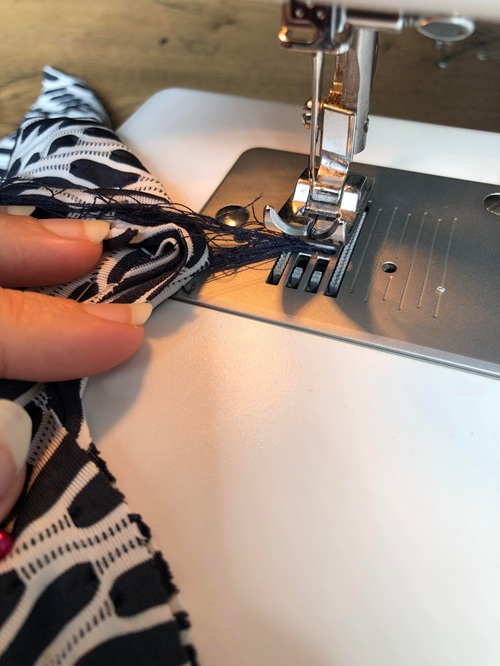
Sewing mistakes can happen to everyone, whether you’re doing it by hand or machine. The good news is they’re easy to fix once you know the cause. By spotting problems, you can save time and have finished results.
Common Sewing Mistakes and How to Avoid Them
As we know, sewing is all about combining fabric pieces either by hand or with a sewing machine. Hand sewing is simple, easy to do anywhere, and great for small repairs or finishing details. On the other hand, Machine sewing helps you sew faster and creates neat, even stitches, making it perfect for blankets, bags, and larger projects. Both methods work beautifully, and each has its own uses.
Common Machine Sewing Mistakes
Machine sewing can sometimes lead to issues that can affect your stitches and seams. Let’s have a look at common mistakes that can occur with machine sewing.
1. Loose or Uneven Stitches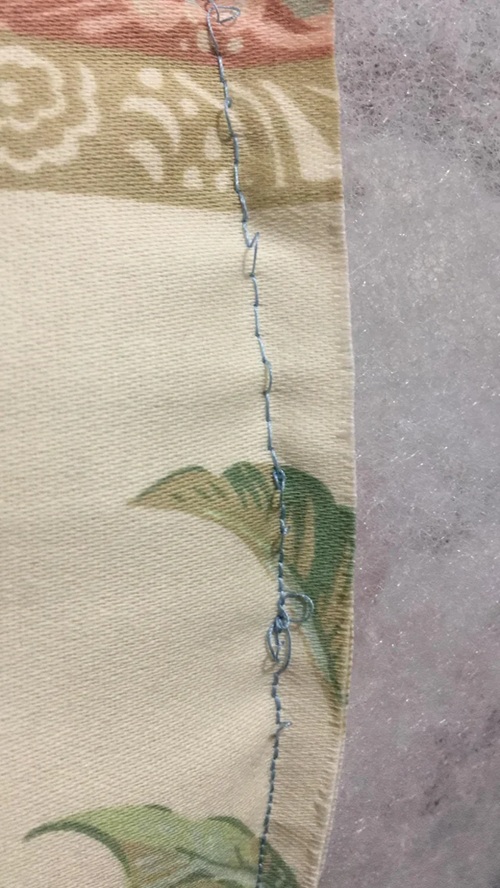
The most common mistake is loose or uneven stitches. It happens when threads don’t lock between the fabric layers, resulting in a weak or messy look.
How to solve this:-
- Re-thread the machine with the presser foot raised.
- Check the thread path through all guides.
- Increase upper tension slightly.
- Use scrap fabric to test it first.
2. Fabric Puckering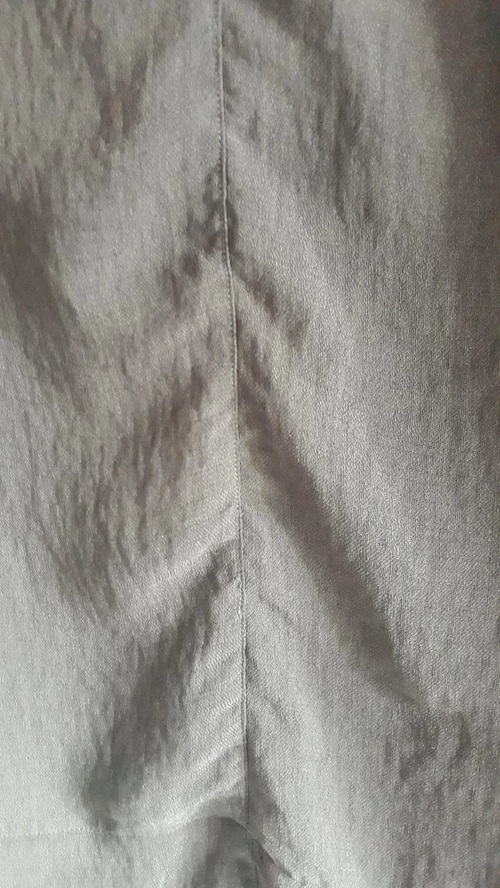
Another problem is fabric puckering. It appears as wrinkles or gathers along the seam line. And the most common reason for it is that the machine tension is set too tight, the stitch length is too short, or you are using the wrong needle for the fabric.
How to fix it:-
- Reduce upper tension slightly.
- Use the correct needle size for the fabric.
- Increase stitch length if too short.
- Avoid pulling the fabric while sewing.
3. Bird Nesting or Thread Bunching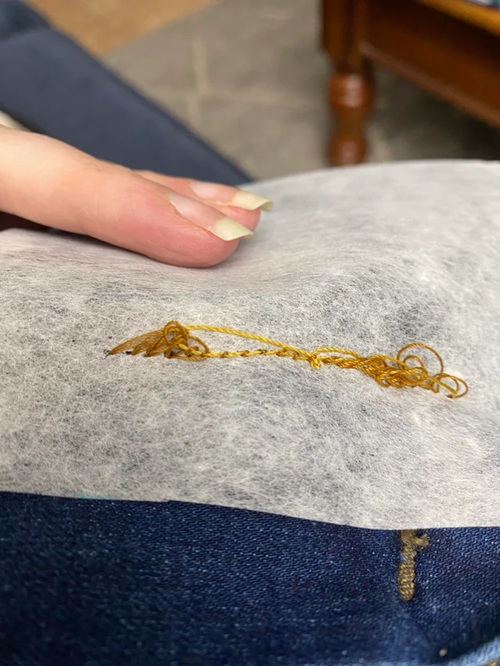
Thread bunching occurs when tangled loops form on the underside of the seam. The reason behind it is that when the upper thread is not threaded correctly, the presser foot is lowered during threading, or the thread tails are not held at the start of stitching.
And to avoid this, you can:-
- Re-thread the upper thread properly.
- Hold thread tails for the first few stitches.
- Check bobbin placement & Clean lint from the bobbin area.
Common Hand Sewing Mistakes
As we’ve already talked about sewing machine mistakes, let’s also have a look at a few common issues that can happen when sewing by hand.
1. Unequal Length of Stitch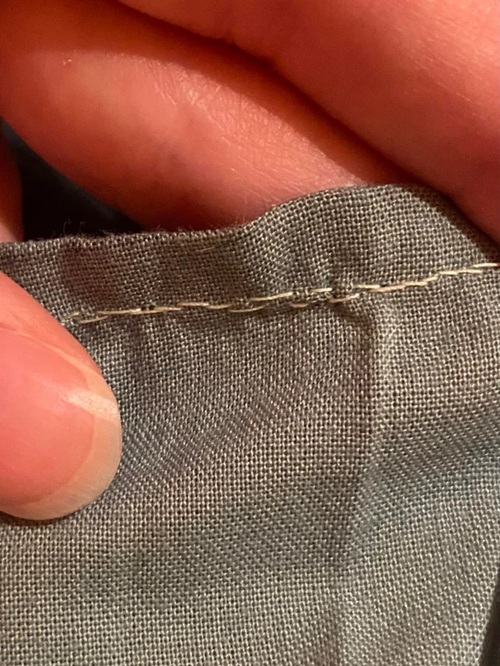
The most popular mistake in hand sewing is uneven stitch length. When some stitches are long, and others are short, the seam looks untidy and may not be as strong. And this usually happens when the spacing between stitches is not consistent.
What you can do to fix it:-
- Keep the stitch size consistent.
- Sew slowly for better control.
- Make a line if needed.
- Practice on scrap fabric.
2. Fabric Puckering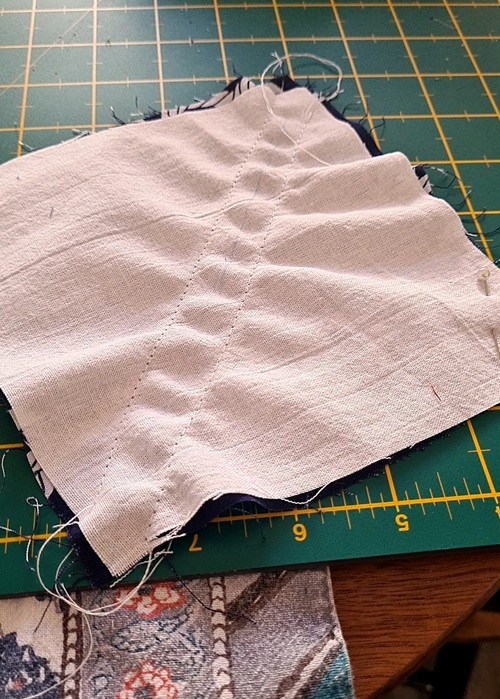
Another issue is fabric puckering, which occurs when the thread is pulled too tightly while sewing, causing the fabric to wrinkle or gather along the seam. You will mostly see it while working with lightweight materials.
How to fix it:-
- Pull the thread gently, not tightly.
- Smooth fabric after each stitch.
- Keep the tension balanced.
- Try to maintain even pressure.
3. Thread Tangling or Knotting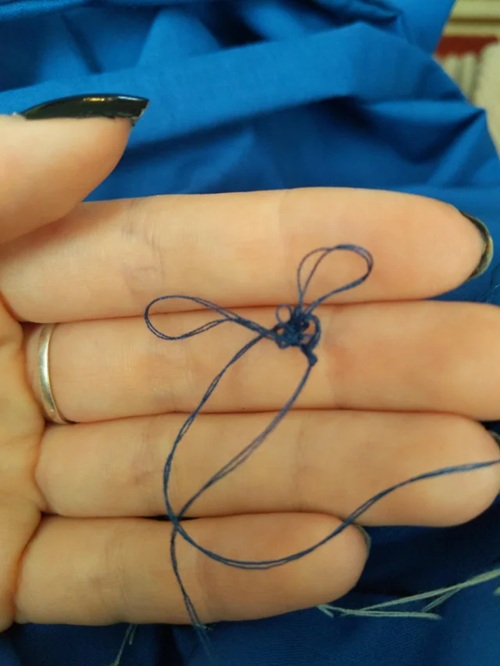
Thread tangling or knotting happens when your sewing thread is too long or starts twisting while you stitch. If you notice knots forming, take a pause and gently untangle the thread before sewing.
Easy ways to fix it:-
- Use shorter thread lengths.
- Let the needle hang to untwist the thread.
- Smooth the thread with your fingers.
- Sew at a steady pace.
What to Do Before You Start Sewing!
Before you start sewing, take a moment to go through this simple checklist to help prevent common mistakes.
- Add a drop of oil before sewing to ensure it works smoothly.
- Check whether you are using the correct needle or use a new needle.
- Check the lint from the bobbin area and feed dogs.
- Make sure the machine is threaded correctly.
- Check whether the bobbin is inserted properly.
- Always keep a scrap of fabric handy.
- Cut a manageable thread length to prevent tangling.
- Knot the thread securely before starting.
- Keep stitches even and gentle to avoid puckering.
- Let the needle hang for a while to untwist the thread.
Even with preparation, small issues can still happen. But don’t worry, they’re all fixable. Let’s look at some common sewing mistakes and how you can fix them also.