
Not sure which macrame cord to use in your first project? Then have a look at this Ultimate Macrame Cord Guide for Beginners.
Choosing the right macrame cord is the first step in creating beautiful, long-lasting pieces. But what if picking the right cord feels difficult? This article will help you understand what to look for.
Ultimate Macrame Cord Guide for Beginners
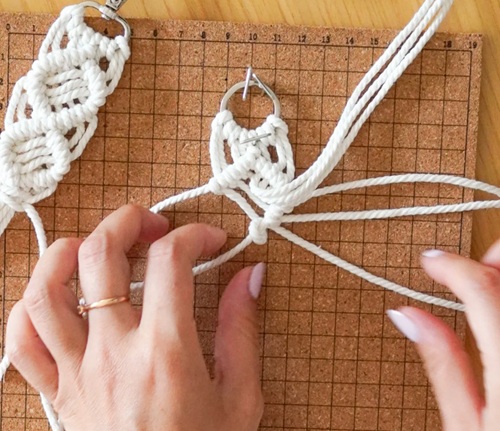
Macrame is all about simple knots, texture, and creativity, but the secret behind the beautiful piece is one simple choice: the cord. The type, thickness, and material you select can change the overall look of the pattern.
But don’t know how to choose the right one, then don’t worry, we’ve got your back. This article will help you understand macrame cords and what to use while making your favourite project.
Why Choosing the Right Cord Matters in Macrame?
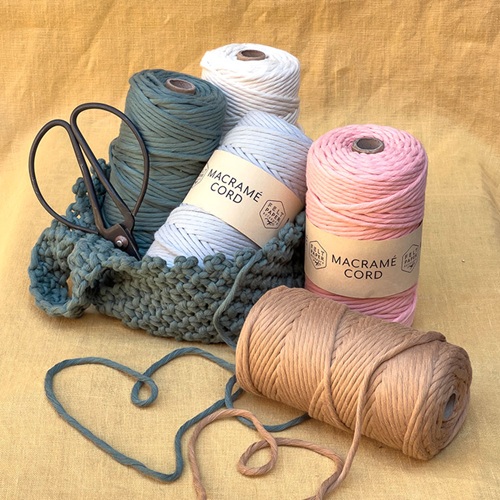
The macrame cord is the foundation of every piece. Choosing the right cord improves the knot and makes patterns easier to follow, while ensuring your project holds its shape. On the other hand, choosing the wrong cord can make knots difficult to tighten, make designs look messy, or even weaken the structure of your project.
How Cord Affects Knot Style and Finish?
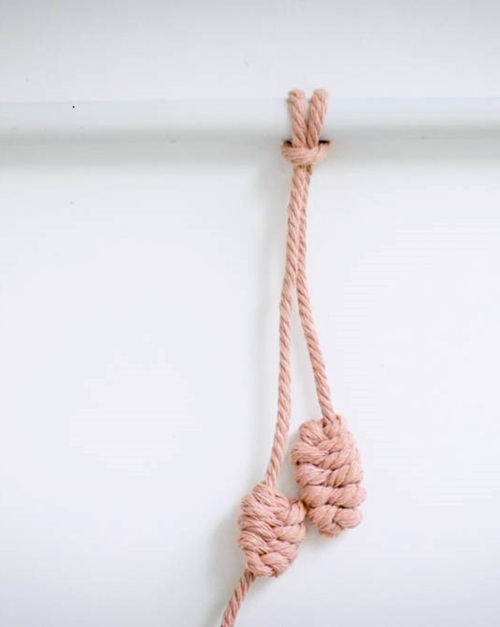
Different cords make different visual effects, and the type you choose can completely change the look of your finished piece. For instance:-
- Soft cords create smooth, flowing designs, while firmer cords give a structured knots.
- Twisted cotton cords highlight knot texture and depth, making them perfect for decorative wall pieces.
- Single-strand cords create soft fringe and feathery effects, while braided cords produce neat, uniform lines.
By choosing the right cord, you can make your finished piece look delicate, bold, textured, or structured.
Macrame Cord Materials
The cord you choose for your design can dramatically change the project’s look. It affects how neat your knots look, how strong the piece is, and how comfortable the cord is to work with.
1. Cotton Cord
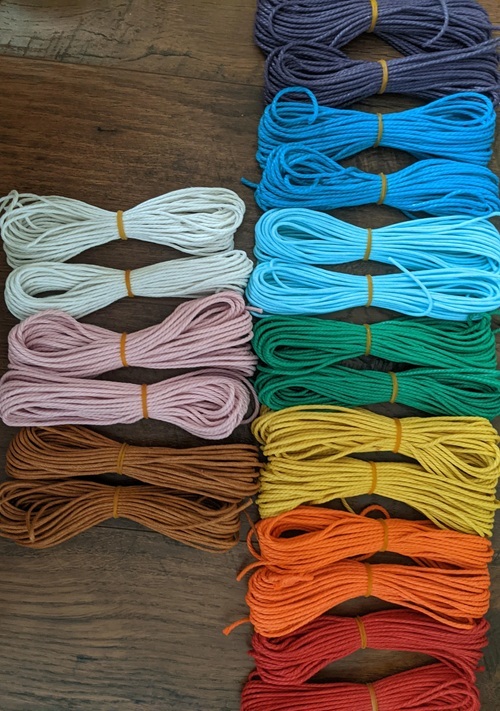
The first, and most commonly used, is cotton macrame cord. The soft, flexible, and easy-to-knot material creates a neat finish that highlights knot detailing. It’s perfect for wall hangings, plant hangers, table decor, and accessories.
2. Polyester & Nylon Cord
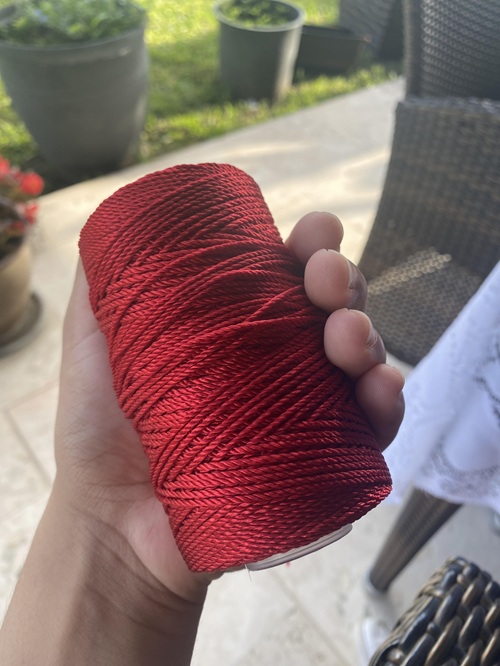
Polyester and nylon cords are strong, durable, resistant to moisture, stretching, and fading. It’s a great choice for projects that need extra strength or are for outdoor use.
3. Natural Fibre, Jute & Hemp
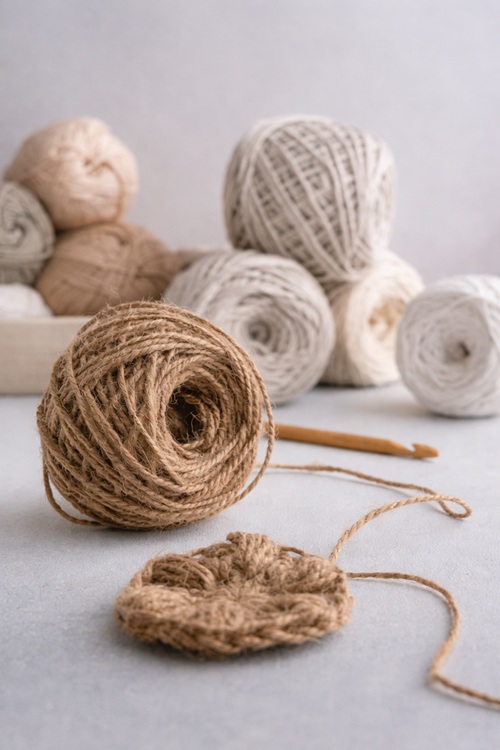
These fibres give your macrame pieces an earthy texture that goes perfectly with a bohemian or vintage-style look. They might feel a bit rougher and stiffer than cotton, so they may take some practice to handle.
4. Eco-Friendly Cord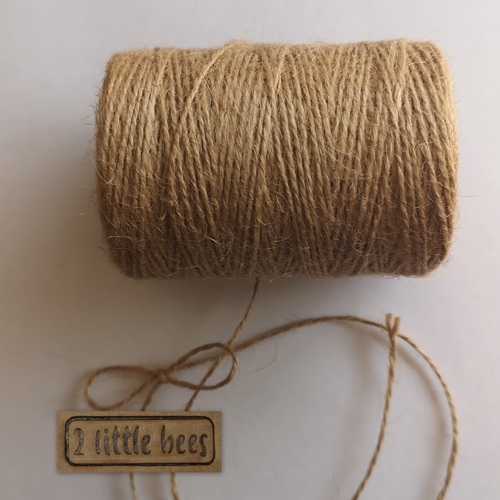
For makers who want to craft more sustainably, recycled cotton and responsibly sourced fibres are now widely available. These cords offer the same beauty and usefulness while helping reduce environmental impact.
Macrame Cord Type
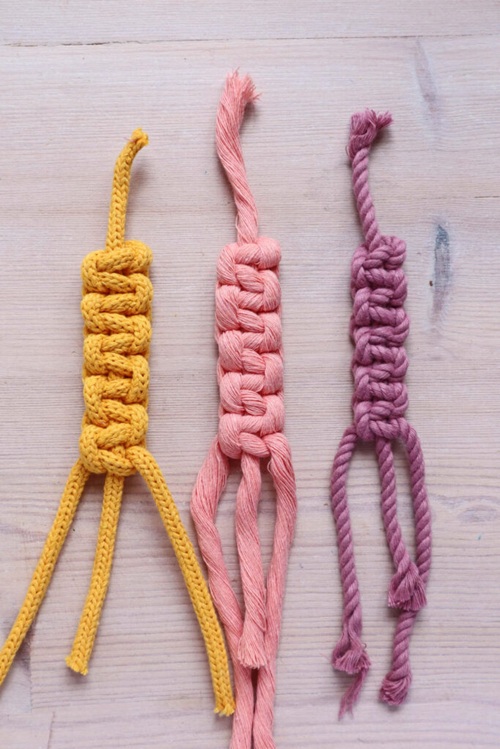
Macrame cords can be categorized by their construction. The construction of a cord affects its strength, texture, and the appearance of your finished knots.
1. Single-Strand Macrame Cord
Single-strand macrame cord is made from soft fibres twisted into one smooth strand. It feels soft and flexible, making it easy to work with. Perfect for projects that include fringe, tassels, or feather designs.
2. 3-Ply Twisted Cord
This cord is made by twisting three strands together, which gives it strength and a slightly textured look. It holds knots really well, which gives your pattern a clear and defined look. And because it’s both sturdy and easy to handle, it’s one of the most flexible options.
3. Braided Macrame Cord
Because of its woven structure, the braided macrame cord is famous for its strength, durability, and resistance to fraying. It keeps the shape and knots clean, perfect for bags, keychains, and other pieces.
Choosing the Right Macrame Cord Size
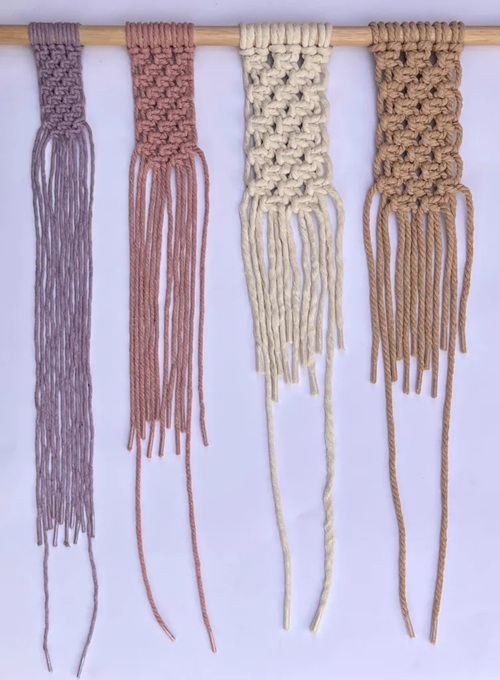
Cord thickness affects both the strength and appearance of your project. Let’s have a look at the most common macrame cord sizes and what they’re best for.
1. Thin Cord (0.8–2 mm)
If you love handmade jewellery, keychains, or fine decorative designs, then this cord is perfect for you. While it requires a bit more patience and control, it lets you create fine knots and precise patterns with a neat finish.
2. Medium Cord (3–4 mm)
This is the most useful and beginner-friendly option. It’s perfect for projects like wall hangings, plant hangers, and various home decor items because it’s thick enough to make knots clearly visible, yet flexible enough to handle easily.
3. Thick Cord (5 mm)
Thicker cords create bold knots and strong structure. Its chunky size makes patterns stand out beautifully, perfect for large wall pieces, baskets, or statement decor. Because of its thickness, projects work up faster and create a dramatic, eye-catching finish.
Common Beginner Mistakes to Avoid
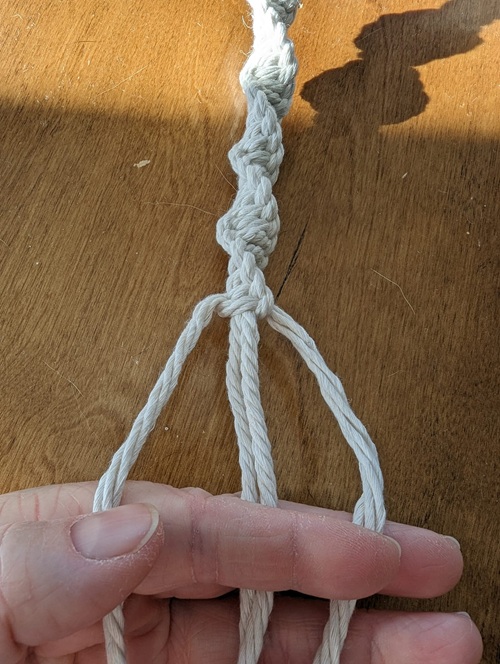
If you’re just starting out with macrame, a few simple things can make a big difference in your first projects. Have a look at common mistakes that might help you create cleaner, more polished pieces right from the start.
-
The most common mistake is choosing a cord that’s too thin. It can make knots harder to see and control, which may feel frustrating while you’re learning.
-
Another one is used with a slippery synthetic cord. These cords can loosen easily and make it harder to keep your knot tension even.
-
Many newbies also underestimate how much cord they need. Running out halfway through a project can disrupt your design, so it’s always safer to use extra.
- Starting with a soft, medium-thickness cotton cord and allowing for extra length will help you make your first macrame projects much smoother and more enjoyable.